There are different types of materials available for food packaging. Each packaging material has advantages and disadvantages. We’ll help you get the packaging you need to serve your food safely and responsibly as Sri Lanka’s top food packaging experts.
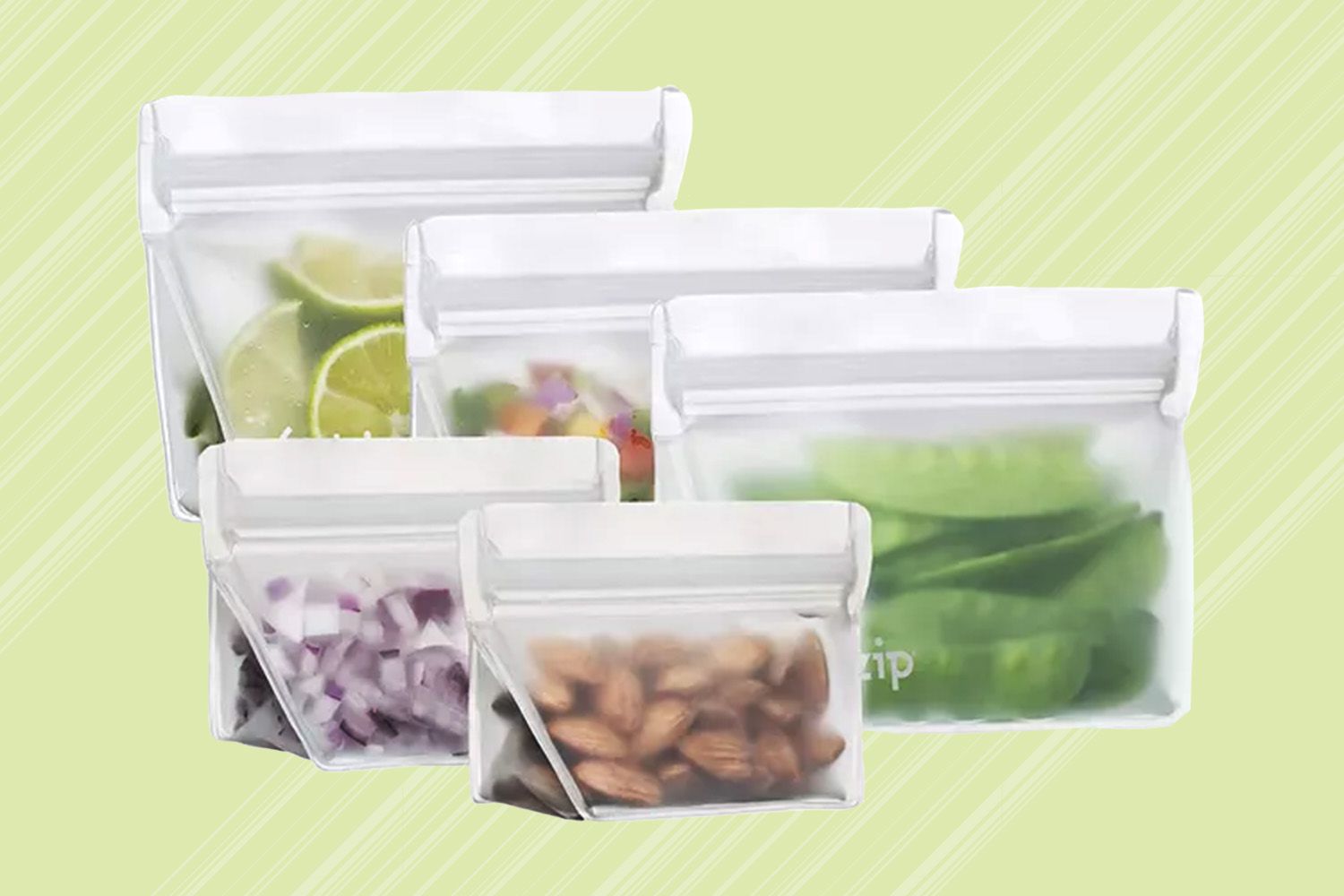
DKW Plastics offers a variety of high-quality packaging products to keep your food safe. Whether you’re a small business owner or a large-scale retailer, our resealable ziplock bags, food grade packaging, garment packaging, gusset bags, multi-color polythene reels, and retail & wholesale bags are designed to meet your unique food packaging needs. Visit our shop today to explore our wide range of food packaging products.
What is food grade packaging?
Food grade packaging refers to a type of packaging that is suitable for food goods. This indicates that the packaging is free of dangerous chemicals and substances that might harm the food. To be classified as food safe, food grade packaging must meet specific standards.
Benefits of Food Grade Packaging for Your Products
· Protects the Food
When your food goods are ready to be shipped and delivered to stores, they will be handled by various people. These edible products are protected from breakage and dangerous infection by food grade packaging. It also safeguards the food against moisture, oxygen, and temperature changes.
· Preserves Freshness
The main advantage of food grade packaging is that it helps in the preservation of the quality and freshness of your food products. Everything from baked loaves of bread to salty snacks and delightful desserts can now have a longer shelf life while remaining delicious to eat.
· Professional Appearance
Furthermore, food grade packaging offers your goods a more professional appearance, which can assist in raising sales and attracting more customers. You may also personalize the food-safe package with your company’s colors and representation to make it even more distinctive.
Examples of food-grade plastics
Low-density polyethylene (LDPE)
LDPE is the least-priced plastic film material. It is soft, flexible, transparent, and smooth, with good moisture resistance, breaking down, and chemicals. It is most typically found in plastic bags, but it is also used extensively in squeezable food bottles, bread and frozen food packing, and flexible lids.
Polypropylene
Most PP is translucent rather than transparent, allowing light to pass through but preventing clear vision. Polypropylene is a low-cost material with outstanding optical clarity and gloss.
These plastic bags are also FDA certified and have good chemical hardness and durability. Furthermore, polypropylene bags are brighter than LDPE or LLDPE bags, allowing for better quality products.
High-density polyethylene (HDPE)
HDPE is the most common polyethylene film used in food packaging. It is semi-translucent and highly resistant to solvents. HDPE is the least flexible and strongest of the polyethylene films, making it ideal for applications requiring shape retention. HDPE can be found in water, juice, and milk bottles, margarine and butter tubs, cereal box liners, and retail and supermarket bags.

The Impact of Food-Grade Packaging on Food Safety
Prevention of Contamination
As with any kind of foreign material, detecting the problem before the product reaches consumers is the first and best line of defense. Failing to discover contaminated materials, and allowing them to reach the shelves, can have costly and disastrous consequences. In addition to lost consumer confidence, contaminated foods can lead to costly recalls and lawsuits.
X-ray food inspection is one of the most effective forms of foreign contamination detection available today. In addition to detecting contaminants, X-ray inspection can detect container defects, missing components, and incorrect fill levels.
While packaging does not pose the greatest threat to food contamination, it still requires monitoring to ensure that consumers are getting a safe product every time.
Preservation of Freshness and Flavor
To keep a food product crisp and fresh, the package must provide a barrier to moisture. Food changes such as off-flavor and rancidity may occur if the packaging material has a poor oxygen barrier, allows gas permeation, and allows passage of light to the food.
Salt, sodium nitrite, spices, vinegar, and alcohol have been used to preserve foods for centuries. Sodium benzoate, calcium propionate, and potassium sorbate are used to prevent microbial growth that causes spoilage and slow changes in color, texture, and flavor.
Role in Extending Shelf Life
Modified atmosphere packaging, or MAP, involves the use of a gas atmosphere in a packaged food to extend shelf life, typically consisting of an inert gas such as nitrogen and an antimicrobial active gas such as carbon dioxide.
The right selection of packaging materials and technologies maintains product quality and freshness during distribution and storage.
Selecting the Right Food-Grade Packaging for Your Product
Here is a list of important considerations for successfully selecting your food grade packaging:
· Consideration of Packaging Material
When it comes to the packaging materials you choose to package your product, it’s a good rule of thumb to treat your products like you would treat yourself. Just as you would not want to live in a home that is too big or too small, the right space for the right package has a great effect on the result.
So why is food grade plastic good for your packaging material? Food grade plastic is designed to be safe for storing and packaging food, but it’s important to note that all plastics, including food grade plastics, can potentially leach harmful chemicals into food or beverages, especially when exposed to heat or acidic conditions.
· Matching Packaging to Product Type
When it comes to the matching packaging you have to match the packaging type according to your product type. The right packaging will give your product a longer shelf life.
· Sustainability Factors
Sustainable food packaging is about reducing the environmental footprint of packed food. Innovative sustainable packaging aims to reduce food waste and loss reduction by improving food quality, as well as food safety issues such as food borne diseases and food chemical contamination.
All of these are important things to consider when selecting the best food grade packaging for your product.

Considerations when Choosing Food Safe Packaging
When selecting a food grade packaging material, keep in mind the intended purpose of the product as well as how your customer may utilize the product. Consider:
· What kind of food-safe material will the package be composed of?
· What kind of food is going to be packaged? Is it going to corrode the packaging?
· Is the packaging still food safe if hot food is placed within it or cooked within it?
· Will your packaging choice affect the product’s shelf life?
· What kind of environmental circumstances will the food and packaging face?
· What will happen to the packaging?
· How much will packaging and shipping cost?
· Will the package be stackable and able to handle stacking weight?
· Is there a barrier in place to protect the food from contamination and spoilage?
Package Your Food Products at DKW Plastics Products
Need food grade packaging? At DKW Plastics we manufacture and stock a large range of food grade packaging that can be customized to suit your needs. Contact us at (051) 222-2117 to place an order or inquire now online.
Conclusion
To improve their performance and safety, food-grade plastics may require the inclusion of specialized additives. Stabilizers, antioxidants, colorants, and antimicrobial compounds are examples of additives that can be used to prevent bacterial development. The polymerized material is subsequently formed into the appropriate shape using extrusion or injection molding machinery, such as sheets, films, bottles, containers, or other packaging materials.
Finally, food-grade plastics are rigorously tested to guarantee that dangerous chemicals or impurities do not leak into food. This includes migration, chemical resistance, and thermal stability studies.