In the world of packaging, the collaboration between DKW Plastic Industries and Wijaya Products shows a strong, three-decade-long partnership. Our path is defined by our shared dedication to quality, innovation, and perfection in food-grade packaging solutions. Here’s a look back at how we helped Wijaya Products succeed by offering customized packaging solutions that have survived the test of time.
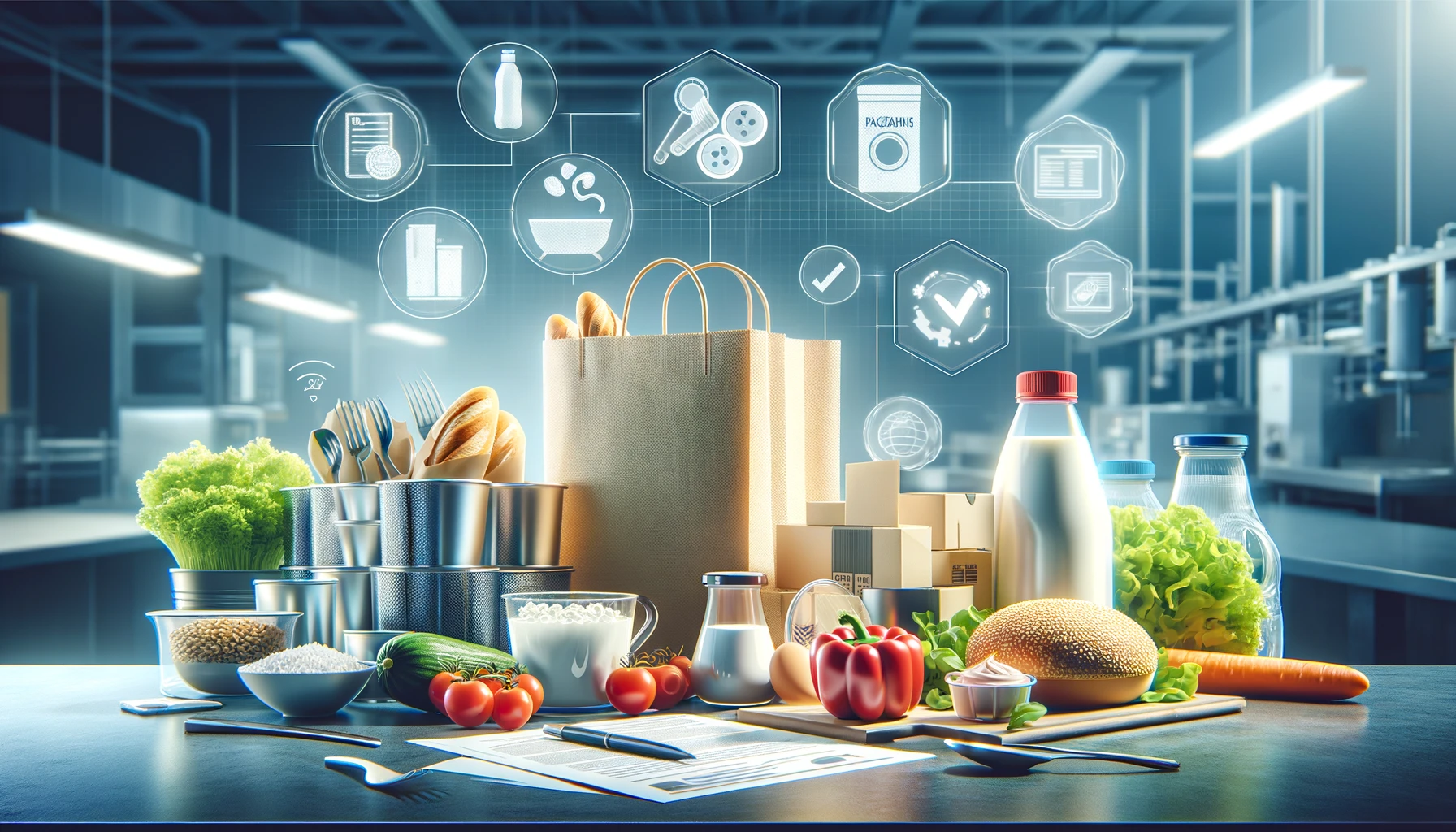
Proper packaging protects your food product from physical damage and chemical and microbiological contamination. Packaging is essential for preserving food quality, minimising food waste, and reducing preservatives used in food. If your products are not packaged properly, the packaging process can become a source of contamination or compromise.
This article narrative emphasizes the long-standing relationship and shared growth between DKW Plastic Industries and Wijaya Products, highlighting specific products that have been a part of this enduring partnership.
What is Food Grade Packaging?
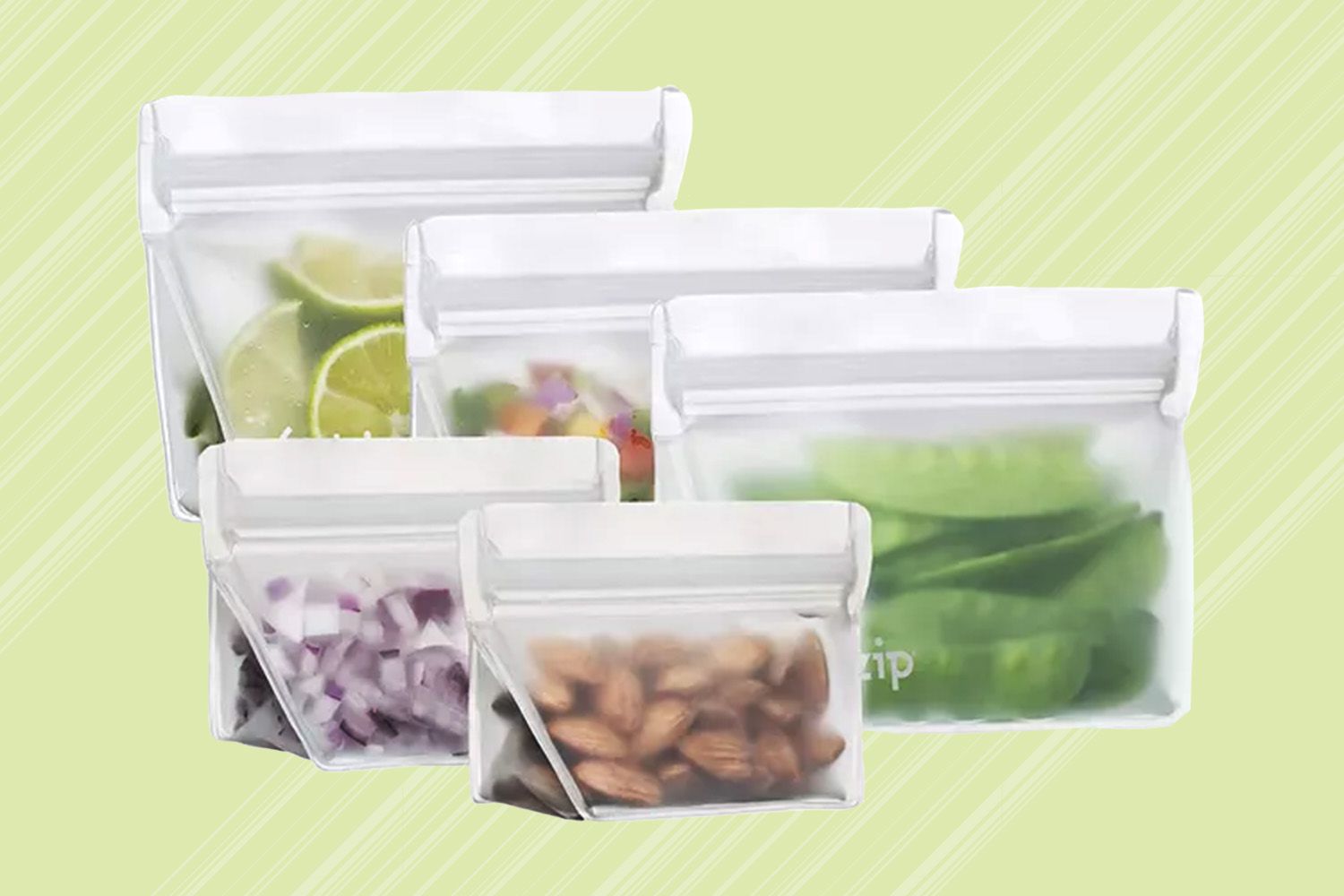
Food grade packaging is a term used to describe the type of packaging that is safe for food products. This means that the material used to make the packaging is free from harmful chemicals and residues that could contaminate the food. Food grade packaging must meet certain standards to be classified as food safe.
Plastic packaging divides out from other materials used for food grade packaging due to its versatility, affordability, and ease. In places like Sri Lanka, where plastic manufacture is important in the packaging business, there is a rising focus on making food-grade plastic packaging. Plastic manufacturers in Sri Lanka are increasingly focusing on strict quality requirements to ensure that their goods meet food safety laws.
These plastic manufacturers in Sri Lanka use innovative technology and quality control techniques to create packaging that is not only long-lasting and efficient but also meets the necessary hygiene and safety standards for food contact. As the demand for packaged food grows, plastic packaging, particularly in Sri Lanka, plays an increasingly important role in guaranteeing the preservation and safe delivery of food goods to customers.
Food Safety Management Systems (ex: ISO 22000 , or the Global BRC / IOP category B food contact standard for food packaging and other packaging materials) have been developed to ensure the safe and hygienic manufacturing of packaging that comes into contact with food. These standards are being adopted worldwide by packaging manufacturers to help improve their manufacturing facilities and ensure the best quality and hygienically manufactured packaging is available. IFS PACsecure provides HACCP based food safety for packaging material guidelines to food producers/packagers.
Partnership Overview: DKW and Wijaya Products
DKW has been in partnership with Wijaya Products for over 30 years. In this article let’s look back at how DKW Plastic Industries helps Wijaya products succeed by offering LPDE food packaging, PP food packaging and HPDE outer and inner bags.

- LPDE Food Packaging
For years, Wijaya Products has trusted DKW Plastic Industries to provide the quintessential salt bag — a staple in every kitchen. Our LDPE food-grade bags have grown to meet Wijaya’s expanding needs, providing customizable dimensions and durability that have become synonymous with the Wijaya brand.
- PP Food Packaging
DKW’s polypropylene reel forms have been instrumental in packaging a variety of Wijaya’s food products. These reels are more than simply packing materials; they reflect the efficiency and dependability that have helped Wijaya maximize its production lines, and boost productivity and product freshness.
- HPDE Outer and Inner Bag
Our HDPE bags have been the packaging choice for Wijaya’s bulk noodle products, showcasing our ability to provide robust and safe packaging solutions. These bags have safeguarded the quality and taste of Wijaya noodles, reaching countless consumers in perfect condition.
Advantages of Food Grade Packaging for Wijaya Products
- Protection and Hygiene
The main obvious benefit of food grade packaging for Wijaya Products is food protection and safety. The food will be protected from harmful microorganisms that will decrease the food’s quality. This will not just protect the food from the organisms not perceived by the naked eye, but this will also protect the food from insects, rodents, and other pests that will most likely contaminate the food as well.
Food grade packaging also protects the food from temperatures – heat and cold – that can be harmful to the food, depending on the type. Moisture and oxygen can somehow affect the food’s quality, too. Rest assured, food inside great food packaging products is safe and protected.
Last, but not least, food grade packaging prevents damage to the food during the shipping, delivery, and handling process.
- Preservation and Long Shelf Life
While the clear benefit of food grade packaging is a way to protect the food from contaminants, it should also be obvious that this can preserve food. This will prolong the food’s shelf-life. For example, certain foods discolour, grow mould, and spoil when exposed to air. Food packaging products will be able to protect the food from too much air exposure, thus prolonging its shelf life. That is what the retail packaging and every food packaging is for – prolonging the shelf life.
- Communication
Now, this is important. A food packaging product can establish a “communication” between the food and the consumer. For example, the food packed in its original package at the store will have a label, nutrition facts, ingredients, expiration date, and any other information that a consumer needs to know. Another example is at home. When you store your food in a specific container, you will often label it with the name and the date that you placed it on the container to avoid confusion when you are ready to consume the food.
Ensuring Compliance and Quality Assurance

Quality assurance is crucial for food processors to ensure the safety, integrity, and consistency of their products. Implementing effective quality standard operating procedures (SOPs) is essential to meet regulatory requirements, maintain customer satisfaction, and protect brand reputation. In this section, we will discuss the essential SOPs that food processors should consider implementing to uphold high-quality standards in their operations.
- Incoming Raw Material Inspection: Thoroughly inspecting and testing incoming raw materials is a critical SOP to ensure the quality and safety of ingredients. Establish protocols for visual inspection, sampling, and testing to verify compliance with specifications and prevent the entry of contaminated or substandard materials.
- Equipment Calibration and Maintenance: Regular calibration and maintenance of processing equipment are vital for accurate measurements, consistent performance, and adherence to quality standards. Develop SOPs to schedule and document calibration, maintenance, and repairs to minimize equipment-related issues and ensure reliable operations.
- Cleaning and Sanitation: Robust cleaning and sanitation procedures are essential to prevent cross-contamination, microbial growth, and foodborne illnesses. Establish detailed SOPs for cleaning and sanitizing equipment, utensils, and processing areas, including proper use of cleaning agents, frequency of cleaning, and verification methods.
- Product Formulation and Recipe Control: Accurate product formulation and recipe control are crucial for consistent product quality. Develop SOPs to ensure precise measurement of ingredients, proper mixing procedures, and detailed batch record keeping to maintain product consistency and traceability.
- Packaging and Labeling: Proper packaging and labelling procedures are essential for consumer safety and compliance with regulatory requirements. Establish SOPs for accurate and compliant packaging, including allergen labelling, nutrition facts, ingredient declarations, and product identification.
Conclusion
Throughout the years, DKW Plastic Industries has not only supplied Wijaya Products with packaging materials but has also ensured that these materials meet the highest standards of food safety, as mandated by government certification. Our dedication to adapting and customising our products to fit Wijaya’s evolving requirements has been a cornerstone of our service.
As we reflect on this enduring partnership, we recognize that our shared values and dedication to customer satisfaction have been key to our collective growth. We look forward to continuing this journey with Wijaya Products, as we explore new horizons and innovative packaging solutions in the food industry.
By upholding our commitment to sustainability and quality, DKW Plastic Industries remains at the forefront of the packaging industry, ready to face the challenges of the future alongside our esteemed partner, Wijaya Products.