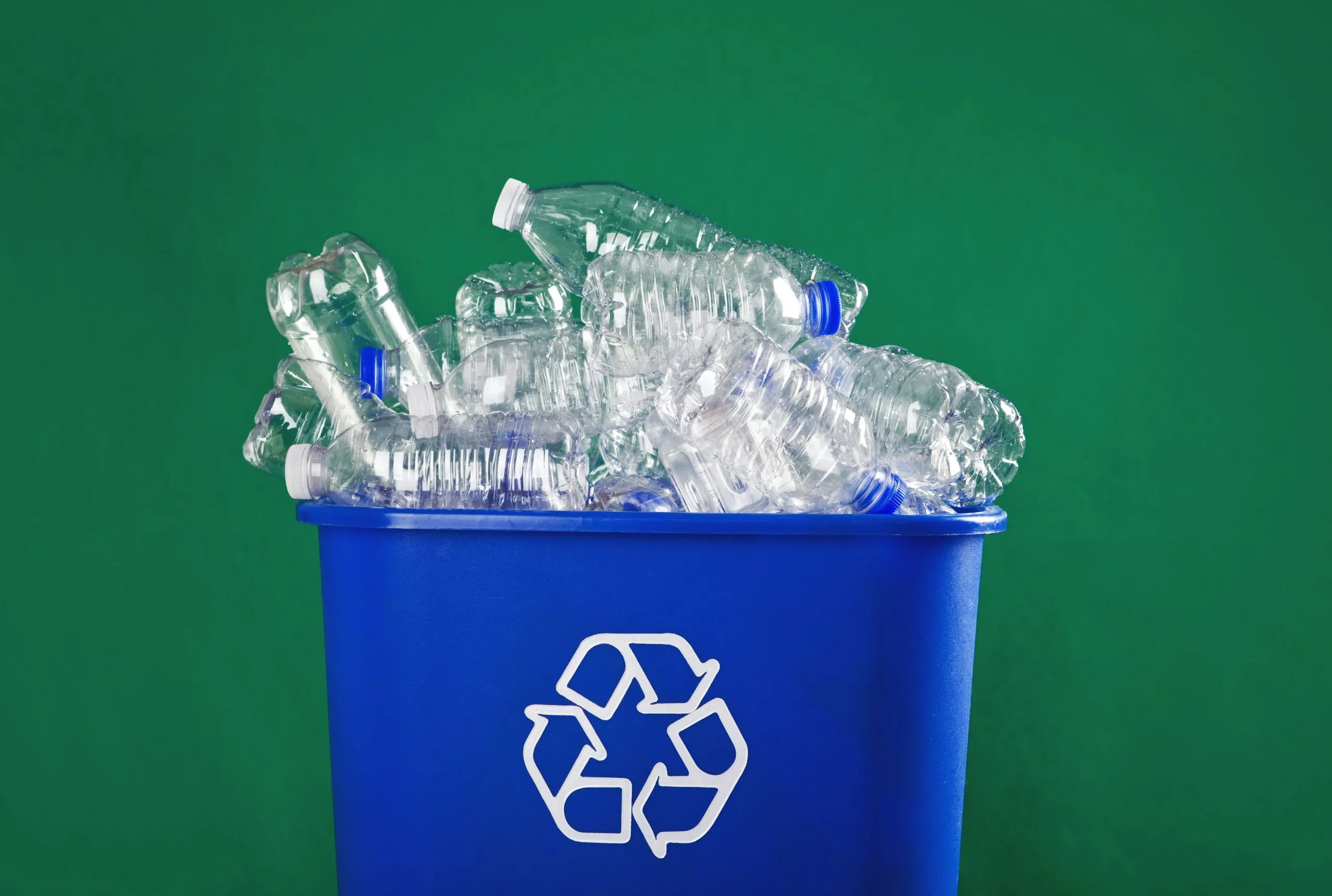
Single-use plastic bags have long been a staple in our daily lives, providing convenience but also posing significant environmental challenges. These bags, made from non-biodegradable materials, contribute to pollution and harm ecosystems. However, as awareness of environmental issues grows, so does the demand for sustainable alternatives. This is where reusable ziplock bags step in, offering a solution that combines convenience with eco-friendliness.
What are zipper bags made of?
Ziplock bags are typically made of polyethylene, a type of plastic that offers flexibility, durability, and moisture resistance. Further, zipper bags can be made from low-density polyethylene (LDPE) and high-density polyethylene (HDPE). Many high-quality zipper bags from trusted suppliers are certified food-safe and can be used to store and preserve food items. Many manufacturers have recently begun making eco-friendly alternatives from biodegradable or compostable materials to address environmental concerns.

Exploring Ziplock Bag Sizes
There are different types of ziplock bags, including
- Slider bags
As the name suggests, slider bags have a sliding mechanism that facilitates easy opening and closing. It is usually made of plastic and is long-lasting.
- Pinch-and-seal bags
Pinch-and-seal or slider-free bags rely on the traditional mechanism of pinching and closing and don’t have a slider to seal the bag. The pinch and seal make the bag airtight and secure.
- Sandwich bags
Sandwich bags are specially designed to store sandwiches and other small deli items and are certified safe to come in contact with food.
- Stand-up bags
Stand-up bags or pouches come with a sturdy base that allows them to stand erect without support. These are typically common to store food items, spices, leaves, snacks, and more.
Stand-up bags are known for being stable and damage-resistant in comparison.
- Freezer bags
Freezer bags are built to withstand extreme cold temperatures and can be used to store & preserve food items such as meat and seafood.
- Gallon-sized bags
Gallon bags are larger than usual zipper bags and are suitable for storing bulkier items such as whole turkey and chicken.
- Anti-Static bags
Anti-static bags are built to store electronic items and protect against electrostatic discharge (ESD).
What are the different sizes of ziplock bags available?
Depending on the purpose it serves, ziplock bags can come in different sizes and shapes.
- Small Size: Anywhere from 4-8 inches, for example, sandwich bags.
- Medium Size: Typically 10-12 inches, for example, storing a variety of food items and general organization. They are also used as a travel pouch.
- Large Size: Anywhere from 13-15 inches. Bulky food items or big articles.
- Jumbo Size: Anywhere from 15-28 inches. They are used for storing bedding, blankets, etc. Many manufacturers also provide custom sizing for zipper bags.
Which Industries Benefit from Ziplock Bags?
Here are some common industries where ziplock bags are a staple.
- Food Industry: To store and preserve food items, seafood, meat, poultry, sandwiches, and other deli items.
- Retail outlets: For packing jewellery, stationary items, hardware, and electronics accessories.
- Pharmacies & Healthcare sector: To store and safely organize medicines and small, blunt medical equipment.
- Agriculture: To store seeds, cut leaves, dried flowers, etc.
- Hospitality and Travel: To store handy items such as dental kits, toiletries, travel kits, soaps, etc.

Are Zip Bags Food-Safe?
Yes, zip bags that are certified food-safe can be used to store any edible items. Please note that not all ziplock bags get this certification and must be handpicked.
How to Clean Reusable Ziplock Bags?
To keep your reusable ziplock bags clean and in good condition, it’s essential to practise proper maintenance and cleaning techniques. Start by rinsing the bags with warm, soapy water after each use to remove any residue or debris. For a deeper clean, you can wash the bags in the dishwasher or by hand with a mild detergent. Once clean, allow the bags to air dry completely before storing them to prevent mould or mildew growth.
Eco-Friendly Alternatives for Reusable Ziplock Bags
While reusable ziplock bags offer a sustainable option for reducing plastic waste, there are also non-plastic alternatives available. Materials such as silicone, cotton, or hemp can be used to create reusable bags that are durable, washable, and biodegradable. Brands like DKW offer eco-friendly alternatives to traditional plastic bags, providing consumers with more choices for reducing their environmental footprint.
Conclusion
The evolution of reusable ziplock bags represents a positive step towards reducing plastic waste and adopting more sustainable consumption practices. By accepting reusable alternatives and making conscious choices in our daily lives, we can all play a part in protecting the environment for future generations. So next time you reach for a plastic bag, consider making the switch to reusable ziplock bags and join the movement towards a greener, more sustainable future.
Additional Reading
For more information on food-grade packaging and sustainable living, check out the following resources:
A Comprehensive Guide to Food Grade Packaging: Learn more about safe packaging materials for storing food.
5 Essential Commercial Uses of Resealable Ziplock Bags: Learn more about commercial uses of ziplock bags.
By incorporating reusable ziplock bags into your daily routine and exploring alternative options, you can make a positive impact on the environment and contribute to a healthier planet for all.